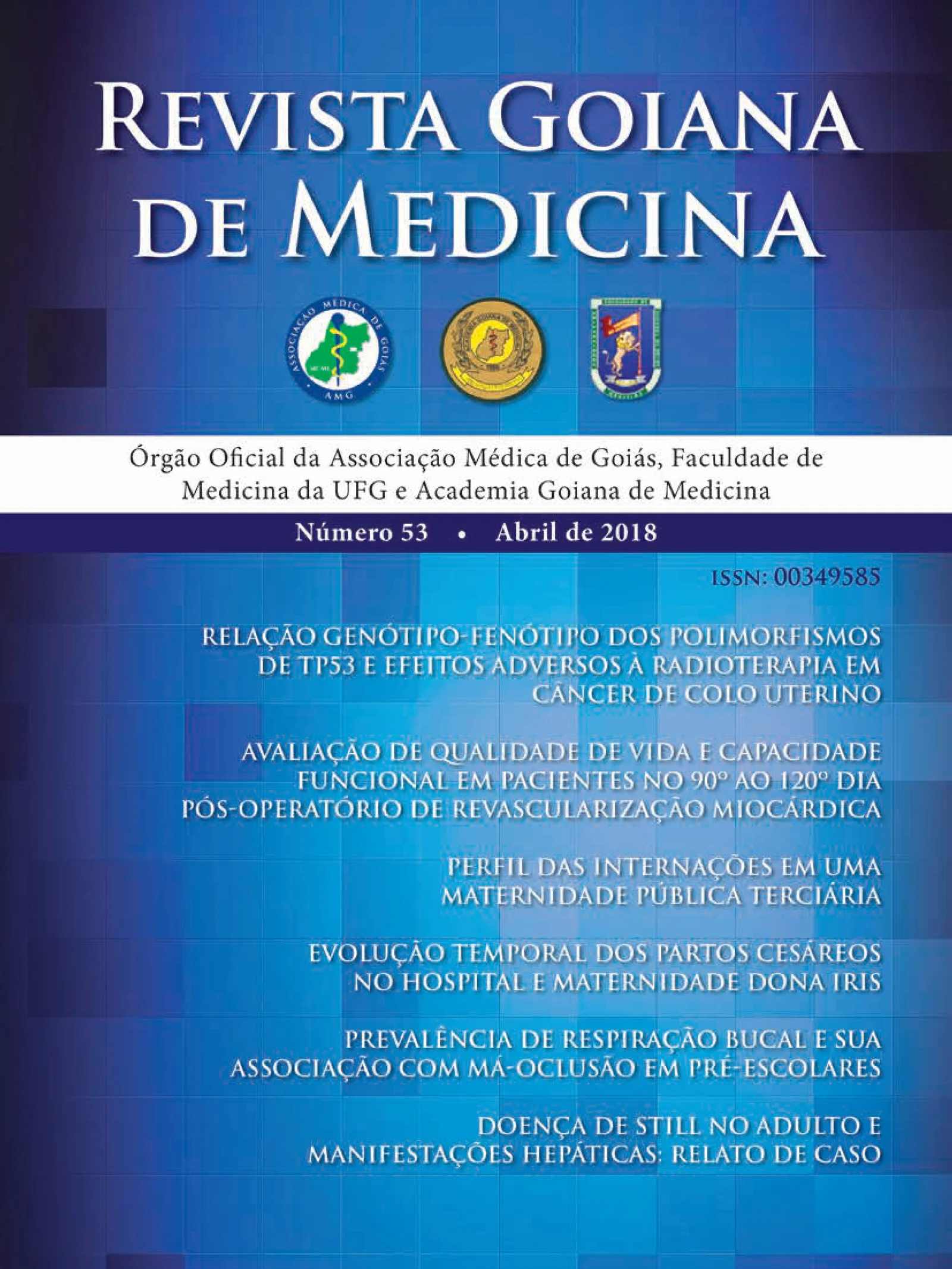
Genotypephenotype relationof TP53 of polymorphisms and adverse effects of radiation therapy with cervical cancer
Keywords:
RADIOTOXICITY, BIOMARKERS, CERVICAL CANCERAbstract
Objetive: The aim of this study was to evaluate the relationship between TP53 polymorphisms in patients with cervical cancer and adverse effects after radiotherapy. Methods: Polymorphisms were evaluated by exomegeno typing of 44 patients with his to logical diagnosis proven cervical cancer and treated with radiotherapy. Side effects were classified according to the score Radiation Therapy Oncology Group. The genotyping data obtained by Axiom® exome 319 panel were translated by Genotyping Console Software version 4.2 (Affymetrix, Inc., USA). Data analysis was carried out from information collected in teletherapy records and records of patients using logistic regression using the SPSS 19.0 software for Windows. Results: In a univariate analys is were found significant amounts among performing surgery, a cute skin reaction (OR:6.67; 95%CI 1.28 to 34.84, p=0.025) and dermatitis occurrence (OR:21.00 95%CI 2.26 to 194.70, p=0.007). Regarding chronic skin reaction was associated with the evolution to death and have made high-dose rate brachy therapy (OR:10.20; 95%CI 1.35 to 76.9, p=0.024; OR:0.08 95%CI from 0.01 to 0.79, p=0.031, respectively). The a cute toxicity data in the gastrointestinal tract is associated with the occurrence of diarrhea (OR:31.67; 95%CI 3.60 to 278.48, p=0.002). The dysuria was the symptom most associated with urinary tract toxicity p=0.015 (OR:15.33; 95%CI 1.71 to 137.40) and disease progression in chronic urinary tract showed a value of p=0.032 (OR:6.67 95%CI 1.18 to 37.78). Conclusions: The polymorphisms analyzed TP53 not associated with symptoms analyzed, requiring extensive research.
Downloads
Published
Issue
Section
License
Copyright (c) 2018 Goiana Journal of Medicine

This work is licensed under a Creative Commons Attribution 4.0 International License.