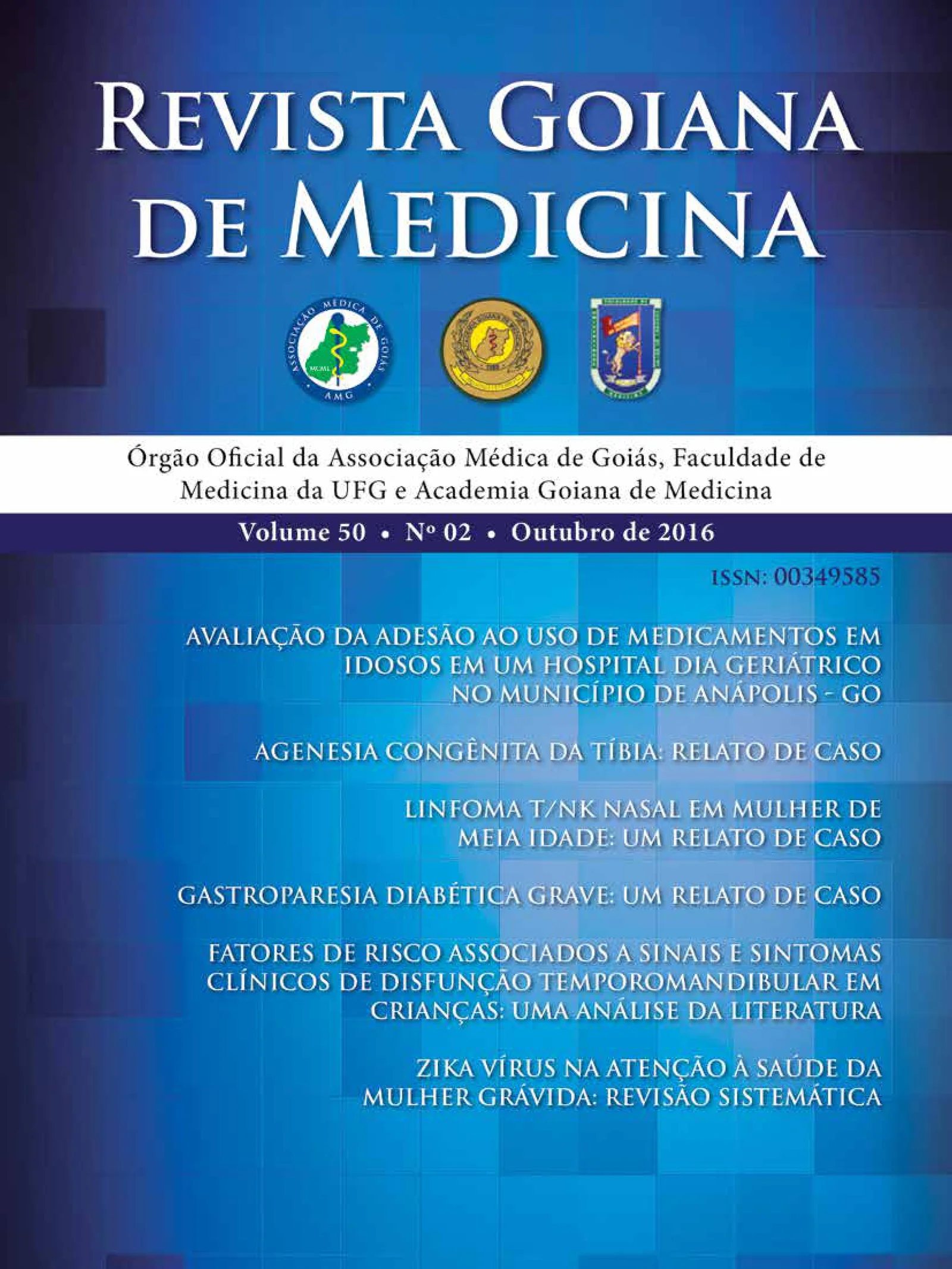
Risk factors associated with clinical signs and symptoms of temporomandibular disorders in children
a literature review
Keywords:
Temporomandibular Joint Disorders, Children, Risk FactorsAbstract
Objective: To identify to describe the main risk factors associated with clinical signs and symptoms of temporomandibular disorders in children, which are being investigated in the current literature.
Material and method: A search for papers was conducted in Pubmed (2009-2014) and Portal BVS (Medline, Lilacs and BBO) database. Only articles in English, Portuguese and Spanish were included in this review. The keywords were “temporomandibular joint disorders, children and risk factors”. The exclusion criterion was TMD related to systemic problems and related to individuals older than 18 years at the beginning of the work. 17 papers were selected from PubMed 9 from Portal BVS in which some dated previous years (related to the subject) but presented the abovementioned exclusion criterion.
Results: The results showed that the risk factors associated or not with TMD and that are being investigated in this review were in a descending order: bruxism (42.3%), parafunctional habits (30.7%), occlusal interferences (30.7%) followed by gender (15.4%) and age (11.5%). The remaining risk factors such as migraines, race, hereditary pattern, stress, trauma, anxiety, athletes and non-athletes and maximum mouth opening, appear in much smaller percentages ranging from 3.8 to 7.7%.
Final Considerations: according to the literature, clinical signs of TMD and pain are common in childhood and various risk factors related to this disorder in children have been investigated. Therefore, identifying these risk factors associated with TMD as early as possible, enables the professional to monitor and intervene at the appropriate time in order to avoid future problems that compromise the quality of life of these children aiming at promoting long-term health.
Downloads
Published
Issue
Section
License
Copyright (c) 2016 Goiana Journal of Medicine

This work is licensed under a Creative Commons Attribution 4.0 International License.